How DApps Work on Blockchain Networks

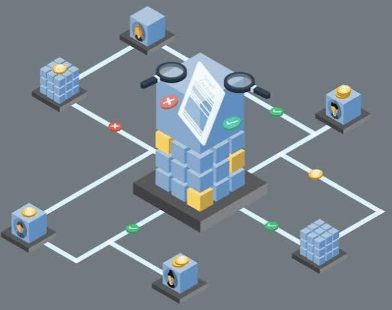
DApps run on blockchain networks by encoding governance, business logic, and state changes into autonomous code executed across a peer-to-peer system. Smart contracts implement the rules that govern interactions, ensuring tamper-resistant, deterministic outcomes. Cross-chain interoperability and modular design enable scalability, while on-chain audits and transparent documentation provide verifiability. Deployment follows a structured workflow: design, test, deploy, and interact. The balance of usability, security, and governance sets the stage for evolution as ecosystems evolve and new constraints emerge.
What Are DApps and How They Work on Blockchains
DApps, or decentralized applications, are software programs that run on blockchain networks using smart contracts to enforce rules and automate processes without centralized control.
They operate through peer-to-peer networks, ensuring trustless execution and tamper resistance.
The theme emphasizes user experience, regulatory compliance, implementation details, scalability, and security auditing to balance usability, legal alignment, technical rigor, growth potential, and verifiable safety in decentralized ecosystems.
How Smart Contracts Implement DApp Rules
Smart contracts encode the rules that govern DApps, translating governance, business logic, and state transitions into autonomous, verifiable code. These programs enforce predefined conditions without central authority, enabling deterministic outcomes.
Through on chain governance, stakeholders can modify parameters via consensus, while auditability and tamper resistance ensure accountability. Deployment and upgrades require careful security considerations, formal verification, and transparent documentation of rules and intents.
See also: How AI Helps Detect Food Quality Problems
DApps Across Blockchains: Network Differences and Ecosystems
DApps across blockchains operate within distinct network ecosystems, each defined by consensus mechanisms, throughput, smart contract capabilities, and cost structures. Cross chain interoperability enables asset and data movement across ledgers, while governance models shape upgrade paths and dispute resolution.
Variation in validator incentives, finality, and security assumptions impacts modularity, ecosystem collaboration, and risk management, guiding developers toward platform-compatible architecture and interoperable design choices.
Building, Deploying, and Interacting With DAPPS: a Developer’s On-Chain Workflow
What constitutes a streamlined on-chain workflow emerges from a disciplined sequence: design, development, testing, deployment, and interaction.
The developer’s on-chain workflow emphasizes modular contracts, clear interfaces, and verifiable audits, enabling robust deployment and rapid interaction.
Scalability tradeoffs arise between throughput and cost, while privacy considerations require careful exposure control, event minimization, and privacy-preserving techniques, all without sacrificing auditable, deterministic behavior for end users seeking freedom.
Conclusion
DApps embody a disciplined, trust-minimized paradigm where on-chain rules quietly guide complex interactions. Smart contracts codify governance, while peer-to-peer networks ensure orderly, tamper-resistant execution. Across ecosystems, scalability emerges from modular design and interoperable standards, enabling gradual, consensus-driven evolution. The on-chain workflow—design, test, deploy, interact—remains meticulously disciplined, providing transparent provenance and auditable safety. In this landscape, progress is gradual and deliberate, offering a stable foundation for future decentralized innovation.