How AI Can Reduce Energy Waste

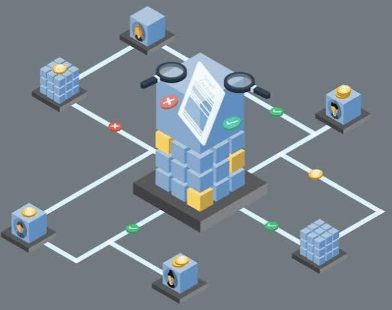
AI enables continuous real-time monitoring of consumption, detects anomalies, and automatically trims inefficiencies. It forecasts demand, optimizes edge decisions, and coordinates grids, buildings, and devices to reduce peak loads and leakage. By presenting robust metrics and auditable outcomes, AI supports clear ROI and progressive improvements. Yet practical implementation raises questions about governance, bias, and integration with existing systems, leaving organizations to weigh benefits against risks as they proceed.
What AI Can Do to Cut Energy Waste at the Source
Efficient energy use begins at the source, where AI-driven optimization identifies and eliminates waste in real-time. The approach concentrates on measurement accuracy, anomaly detection, and proactive adjustments, enabling sustainable consumption without sacrificing performance.
AI energy forecasting informs demand trends, while edge optimization executes rapid, local decisions. This combination reduces losses, improves resilience, and empowers autonomous systems to pursue freedom through disciplined efficiency.
How AI Optimizes Grids, Buildings, and Appliances
The benefits of AI for energy systems extend from improved source-level efficiency to broader applications across grids, buildings, and appliances. AI optimization enables dynamic grid management, reducing peak loads and enhancing reliability.
In buildings, building automation coordinates HVAC and lighting for comfort and efficiency.
Appliance control aligns usage with availability, lowering waste and supporting demand response without compromising user experience.
Grid efficiency persists.
Measuring Gains: Metrics, Challenges, and ROI of AI Energy Savings
Measuring gains from AI-driven energy savings hinges on selecting robust metrics, aligning them with objectives, and tracing attribution across diverse systems.
The analysis compares baseline consumption to post-implementation performance, quantifying ROI, payback, and net energy reduction.
Metrics emphasize measures alignment and operational efficiency storytelling, balancing accuracy with transparency.
Challenges include data quality, cross-system heterogeneity, and long-tail effects; insights inform disciplined investment decisions.
Getting Started Now: Practical Steps for Individuals and Organizations
Organizations now proceed from evaluating measurable gains to implementing concrete actions. The practical path combines structured data collection with rapid pilots, measuring energy impact across facilities and workflows. Decisions rely on transparent analytics, with bias mitigation ensuring representative results. For individuals, engage personal efficiency apps; for organizations, deploy scalable AI dashboards, governance, and continuous improvement loops that translate insights into repeatable, auditable energy reductions.
Frequently Asked Questions
How Does AI Handle Energy Equity and Accessibility Concerns?
AI addresses energy equity and accessibility concerns by enabling granular, demand-aware pricing and targeted subsidies; data-driven models assess disparities, guiding inclusive infrastructure investments, ensuring reliable service for underserved communities, and validating outcomes through transparent, independent measurement and governance.
What Are Hidden Costs of AI for Energy Savings?
The hidden costs of AI for energy savings include training-era energy, hardware depreciation, and inference overhead, which can offset efficiency gains if models are misapplied or over-parameterized, reducing net energy savings and complicating cost-benefit analyses for stakeholders.
Can AI Inadvertently Increase Energy Use in Some Cases?
The AI energy paradox shows it can raise consumption under heavy, unoptimized workloads; deployments may spike power use before efficiency gains materialize, challenging deployment resilience and requiring careful monitoring, governance, and adaptive scaling to prevent unintended energy increases.
How Secure Is Ai-Driven Energy Data From Cyber Threats?
Security risks surrounding AI-driven energy data are real, yet manageable with robust encryption, access controls, and continuous monitoring. Data privacy remains paramount; transparent governance and anomaly detection enable an analytical, data-driven assessment aligned with audiences seeking freedom.
What Skills Future-Proof Careers in AI Energy Management Require?
Symbolic beacon, the answer surveys futures: Future proofing AI and Energy management require rigorous Skill requirements and Career resilience. Data-driven analysis shows adaptable expertise, cross-domain literacy, and continuous learning as essentials for autonomous, freedom-loving professionals navigating evolving AI energy landscapes.
Conclusion
AI-driven energy management demonstrates measurable impact across systems. In pilot programs, robust monitoring and adaptive control have achieved up to 20–30% reductions in peak demand and 10–15% baseline energy savings, with payback timelines often under two years. The key takeaway is that continuous anomaly detection and forecast-driven optimization translate into auditable ROI, while governance and transparent dashboards sustain improvements. As adoption scales, cumulative efficiency gains could substantially lower emissions and operational costs for buildings, grids, and appliances alike.